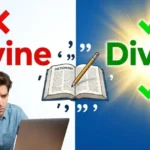
I still remember the time when I was trying to find a nutrition expert online, and I kept typing “dietician” everywhere. I thought I was spelling it correctly because it sounded natural to me. But when I didn’t get proper results, I got a bit confused and frustrated. I even started thinking maybe there was no expert available in my area.
Later, I tried again and this time I wrote “dietitian”, and suddenly everything changed. I started seeing real clinics, certified professionals, and proper health services. That’s when I realized I had been using the wrong spelling all along without even noticing it.
I handled this issue by checking reliable sources and learning the correct term step by step. I also made a habit of double-checking important words before using them. Now I always remember that small spelling differences can completely change search results and understanding, especially in professional and medical terms.
⚡Dietitian or Dietician – Quick Answer
The correct and professional spelling is dietitian.
“Dietician” is a common misspelling, although it is sometimes used informally.
Quick examples:
- I consulted a certified dietitian for my weight plan. ✔️
- I searched “dietician” online but got fewer results. ✔️ (informal spelling)
Simple takeaway rule:
Dietitian = correct, professional, medical standard
Dietician = incorrect or informal variant
Why Do People Get Confused Between Dietitian and Dietician? 🤔
People confuse these two spellings because:
- They sound exactly the same
- Both relate to diet and nutrition
- “-cian” endings are common in English (musician, physician)
- Auto-correct sometimes accepts both forms
Another reason is that in casual writing, people assume spelling variation is acceptable if pronunciation doesn’t change.
But in professional healthcare language, spelling matters a lot.
📜 The Background Behind the Word
The word comes from “diet”, combined with a suffix that describes a professional.
Why “Dietitian” is correct
- The correct suffix is “-tian”, not “-cian”
- It follows medical and professional naming rules
- Used in healthcare systems globally
Development of the term
Over time, nutrition science became a regulated field, and the spelling dietitian became standardized in:
- Hospitals
- Clinics
- Universities
- Professional associations
The incorrect form “dietician” likely spread due to pronunciation confusion.
📊 Key Differences at a Glance
| Feature | Dietitian | Dietician |
| Correct spelling | ✔️ Yes | ❌ No (common error) |
| Professional use | ✔️ Standard | ❌ Not accepted |
| Medical recognition | ✔️ Official | ❌ Informal |
| Google search results | High | Lower |
| Usage in hospitals | Yes | No |
| Meaning | Nutrition expert | Misspelling of dietitian |
| Recommended for CVs | Yes | No |
🔍 Feature by Feature Comparison
1. Correctness
- Dietitian is the only correct spelling in medical and professional writing.
- Dietician is considered incorrect in formal contexts.
2. Professional Usage
Dietitians are certified healthcare professionals who:
- Create diet plans
- Manage nutrition for patients
- Work in hospitals and clinics
- Support medical treatments
Only the spelling dietitian is used in certifications and job titles.
3. Online Search Behavior
Many people still type “dietician” when searching online.
However:
- “Dietitian” returns more accurate results
- Websites, hospitals, and directories use the correct spelling
4. Academic and Medical Standards
Universities and health organizations strictly use:
- Registered Dietitian (RD)
- Clinical Dietitian
- Nutrition and Dietetics programs
“Dietician” does not appear in official academic titles.
5. Communication Clarity
Using the correct spelling:
- Improves credibility
- Avoids confusion
- Looks professional in resumes and documents
💰 Pricing and Value Comparison
This is not a product comparison, but we can understand value in terms of usage.
| Category | Dietitian | Dietician |
| Professional value | High | None |
| Trust level | High | Low |
| Career use | Essential | Not accepted |
| SEO/search value | Strong | Weak |
👉 Conclusion: Only “dietitian” has real professional value.
Pros and Cons ✅❌
Dietitian
Pros:
- Correct and professional spelling
- Globally recognized
- Used in hospitals and healthcare systems
- Strong SEO and search accuracy
- Builds trust in communication
Cons:
- Slightly harder spelling for beginners
- Often confused with “dietician”
Dietician
Pros:
- Commonly used in informal writing
- Matches pronunciation
Cons:
- Incorrect in professional contexts
- Not used in official certifications
- Can reduce credibility
- May confuse search engines
Who Should Use “Dietitian”? 🎯
Use dietitian if you are:
- Searching for nutrition experts
- Writing a resume or CV
- Working in healthcare
- Creating educational content
- Booking medical consultations
Best situations:
- Hospitals
- Clinics
- Fitness plans
- Academic writing
- Professional websites
Who Uses “Dietician”? 🎯
In reality, no professional should use “dietician.”
It only appears in:
- Casual writing
- Social media posts
- Typing mistakes
- Non-professional conversations
❌ Common Mistakes People Make
Mistake 1
❌ Searching “dietician near me”
✔️ Correct: “dietitian near me”
Mistake 2
❌ Writing “certified dietician” on resume
✔️ Correct: “certified dietitian”
Mistake 3
❌ Assuming both spellings are equal
✔️ Reality: only one is accepted professionally
Mistake 4
❌ Relying on pronunciation
✔️ Spelling rules in English don’t always match sound
📝 Real Life Examples
Health Consultation
- “I visited a dietitian for diabetes management.”
Fitness Goals
- “My dietitian created a meal plan for weight loss.”
Online Search
- “Best dietitians in my city.”
Academic Use
- “She is studying to become a registered dietitian.”
🤔 Things to Consider Before Using the Word
- Is it a professional context?
- Are you writing for healthcare or SEO?
- Is spelling accuracy important?
- Will it affect credibility?
👉 Always choose dietitian in serious contexts.
📋 Quick Comparison Table
| Category | Winner |
| Correct Spelling | Dietitian |
| Professional Use | Dietitian |
| Medical Acceptance | Dietitian |
| Online Search Accuracy | Dietitian |
| Global Standard | Dietitian |
| Overall Recommendation | Dietitian |
FAQs❓
1. Is dietician correct or wrong?
Dietician is a common spelling mistake. The correct form is dietitian.
2. What is a dietitian?
A dietitian is a certified nutrition expert who plans diets and manages health nutrition.
3. Why do people write dietician?
Because it sounds similar and follows common English patterns like “physician.”
4. Is dietitian a doctor?
No, but they are healthcare professionals specializing in nutrition.
5. Can I use dietician in writing?
It is not recommended in professional writing.
6. Which spelling is used in hospitals?
Dietitian is used in hospitals worldwide.
7. Does dietician mean something different?
No, it is just an incorrect spelling.
8. Which word should I use on my CV?
Always use “dietitian.”
9. Is dietitian American or British English?
It is standard in both.
10. How do I remember the correct spelling?
Remember: “diet + tian = dietitian.”
Expert Tip 💡
If you’re ever unsure, always remember:
If it’s medical, professional, or official → use “dietitian.”
Avoid “dietician” completely in resumes, healthcare writing, and formal communication.
Conclusion
The confusion between dietitian or dietician is very common, but the answer is simple once you know the rule.
Dietitian is the only correct and professional spelling used in healthcare, education, and global nutrition standards. It represents certified experts who help people manage diet, health, and medical nutrition needs.
On the other hand, dietician is just a frequent spelling mistake that appears in informal writing and casual searches. While it sounds correct, it is not accepted in professional contexts.
If you are writing a resume, searching for a nutrition expert, or working in healthcare, always use dietitian. It improves clarity, credibility, and accuracy.
Once you remember this simple distinction, you’ll never confuse the two again and your writing will instantly look more professional and trustworthy.

I’m David Mitchell, an author at GrammarGuides.com where I help readers understand English more clearly. As a grammar expert, I share simple explanations and tips to fix common spelling and grammar mistakes.