I still remember the moment I made this mistake while writing a description about someone’s appearance. I typed, “He looked very unkept after the trip.” Something didn’t feel right, but I ignored it and moved on.
Later, I saw the word written somewhere else as “unkempt”, and that’s when I paused. I thought, Wait… is it unkept or unkempt? Did I use the wrong word the whole time?
So I checked it and honestly, I was surprised. Both words exist, but only one is actually correct in most cases people use today. That small confusion turned into a big learning moment for me.
If you’ve ever searched “unkept or unkempt”, you’re probably in the same situation. Both words look similar, both sound related to “keeping something,” but they don’t mean the same thing in modern English.
In this article, I’ll break it down in a super simple way, just like I learned it myself, so you never feel confused again when choosing between unkept or unkempt.
⚡ Unkept or Unkempt – Quick Answer
These two words are NOT the same in modern usage.
- Unkempt = correct word (most common) → means messy, untidy, or not well cared for
- Unkept = less common usage → means something not maintained or not kept (rare in modern English)
Examples:
- “He looked unkempt after the long journey.” ✅
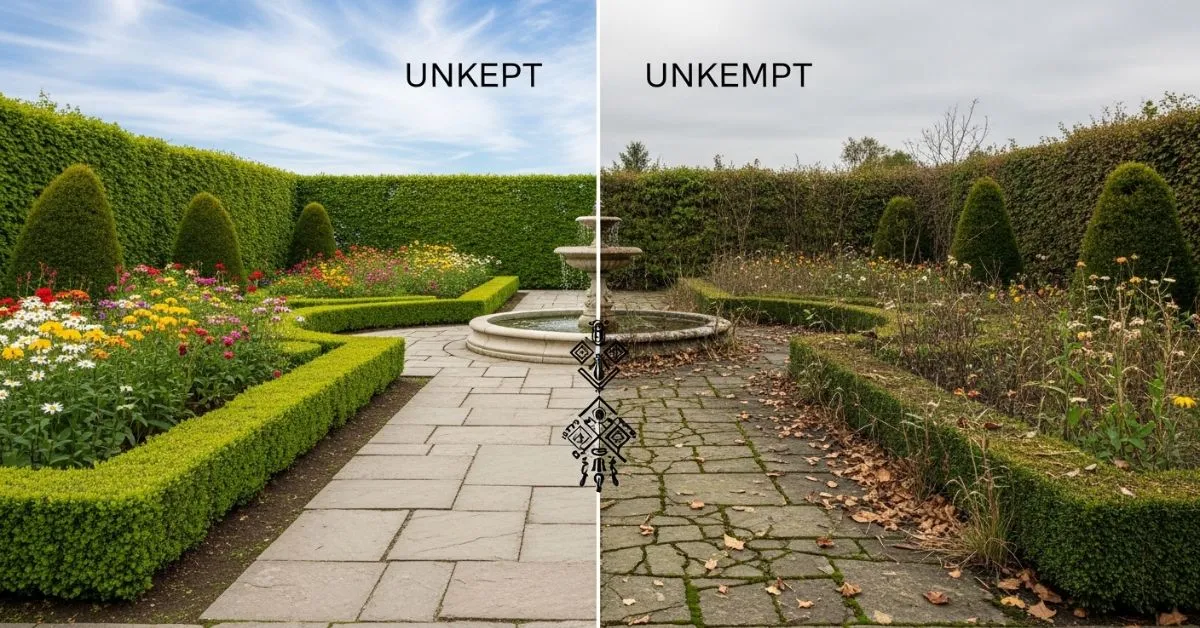
- “The garden was unkempt and overgrown.” ✅
- “Promises were unkept over time.” (rare/old usage) ⚠️
👉 Simple rule:
Use “unkempt” for appearance or messiness.
Avoid “unkept” in modern writing unless referring to promises or rules.
🤔 Why Do People Confuse Unkept or Unkempt?
This confusion happens for a few simple reasons:
1. They Look Very Similar
Only one letter changes, so the brain mixes them easily.
2. Both Come From “Keep”
People assume both should mean the same thing related to “keeping something.”
3. “Unkept” Sounds More Natural
Because it follows normal English grammar patterns like “kept → unkept.”
4. “Unkempt” Looks Strange
It doesn’t follow the usual pattern, so it feels incorrect even though it is correct.
5. Rare Usage Difference
“Unkempt” is commonly used, while “unkept” is mostly outdated or limited.
👉 That’s why even native speakers sometimes get confused.
📜 The Origin of Unkept or Unkempt
Let’s simplify the history.
🧠 Unkempt
- Comes from Old English word “cempt” (meaning combed or groomed)
- “Unkempt” originally meant not combed / not neat
- Over time, it became a standard word for messy appearance
👉 Example:
“She had an unkempt hairstyle.”
🧩 Unkept
- Simply means “not kept” (broken rules, promises, or conditions)
- More literal and less descriptive
- Rarely used in modern everyday English
👉 Example:
“The unkept promise caused problems.”
💡 Key Idea:
- Unkempt = messy appearance (modern use)
- Unkept = not maintained (rare use)
🌍 British vs American English
Good news: this is NOT a UK vs US spelling difference.
Both use unkempt in the same way.
| Feature | American English 🇺🇸 | British English 🇬🇧 |
| Unkempt | Common | Common |
| Unkept | Rare | Rare |
| Meaning difference | Same | Same |
| Usage preference | Unkempt | Unkempt |
👉 Conclusion:
This is not a regional issue it’s a usage and meaning issue.
🎯 Which One Should You Use?
For USA Audience
Use unkempt almost always.
- Describing people
- Describing appearance
- Describing places
👉 Example:
“He looked unkempt after camping.”
For UK Audience
Same rule applies use unkempt.
🌍 For Global / SEO Writing
- Use unkempt (safe and standard)
- Avoid “unkept” unless talking about promises or formal/legal context
👉 Tip:
If you’re unsure, always choose unkempt.
❌ Common Mistakes (Avoid These!)
❌ Mistake 1: Using “unkept” for appearance
Wrong: “He looked unkept”
Correct: “He looked unkempt”
❌ Mistake 2: Thinking both are interchangeable
Wrong: “Both mean messy”
Correct: Only “unkempt” means messy appearance
❌ Mistake 3: Overusing “unkept”
Wrong: “Unkept hair, unkept clothes”
Correct: “Unkempt hair, unkempt clothes”
❌ Mistake 4: Spelling confusion
Wrong: “unkemptt”
Correct: unkempt
❌ Mistake 5: Ignoring context
Wrong: using “unkempt” for rules or promises
Correct: “unkept promise”
📝 Real Life Examples
📧 Emails
“The office looked unkempt after the renovation work.”
📱 Social Media
“My hair is totally unkempt today 😅”
📰 News
“The abandoned building appeared unkempt and unsafe.”
💼 Formal Writing
“The premises were unkempt and required maintenance.”
🗣️ Daily Conversation
“You look a bit unkempt today rough night?”
📊 Quick Comparison Table
| Feature | Unkempt | Unkept |
| Meaning | Messy, untidy | Not maintained |
| Usage | Common | Rare |
| Context | Appearance | Rules / promises |
| Modern English | Yes | Limited |
| SEO Value | High | Low |
| Recommended | ✅ | ⚠️ Rare use |
FAQs ❓
1. Is it unkept or unkempt correct?
Both exist, but unkempt is the correct modern word for messy appearance.
2. What does unkempt mean?
It means messy, untidy, or not well cared for.
3. What does unkept mean?
It means something not maintained or not kept, like promises.
4. Can I use unkept instead of unkempt?
No, not for appearance.
5. Which is more common?
Unkempt is far more common.
6. Is unkempt formal or informal?
It works in both formal and informal writing.
7. Why does unkempt look incorrect?
Because it breaks normal English patterns, but it is correct.
8. Which should I use in writing?
Always use unkempt unless talking about promises or obligations.
🏁 Conclusion
So, unkept or unkempt what’s the final answer?
Here’s the simple truth:
- Unkempt = messy, untidy appearance (correct and common)
- Unkept = not maintained or kept (rare and limited use)
If you’re writing for blogs, social media, emails, or SEO content especially for a USA audience unkempt is always the safe and correct choice.
“Unkept” is not wrong, but it is outdated in most modern writing and can confuse readers if used incorrectly.
👉 Final takeaway:
If you are describing hair, clothes, rooms, or appearance always use unkempt.
Now you’ll never get confused between these two again.
Discover More Articles:
- Grimey or Grimy : Common Spelling Mistake Explained📚(2026)
- Sleave or Sleeve : Correct Spelling Explained in Simple English(2026)
- Carrer or Career : Quick Guide With Easy Examples(2026)